

In a world increasingly defined by geopolitical tension and prolonged conflicts, the word “ceasefire” has once again become one of the most searched and discussed terms across global media. From Eastern Europe to the Middle East, renewed calls for ceasefires are dominating headlines as governments, international organizations, and citizens demand an end to violence and a path toward lasting peace.
Rising Global Pressure for Peace
Over the past few weeks, international pressure has intensified on warring parties to halt hostilities. Leaders from major powers, along with organizations such as the United Nations, have urged immediate ceasefires to prevent further humanitarian crises.
The urgency stems from worsening conditions on the ground. Civilian casualties continue to rise, infrastructure is being destroyed, and millions of people are facing displacement. Humanitarian agencies warn that without a ceasefire, access to essential aid such as food, water, and medical supplies will remain severely limited.
Public opinion is also playing a significant role. Across many countries, protests and campaigns calling for peace have gained momentum. Social media platforms are flooded with hashtags advocating ceasefire agreements, reflecting a growing global consensus that continued violence is no longer acceptable.

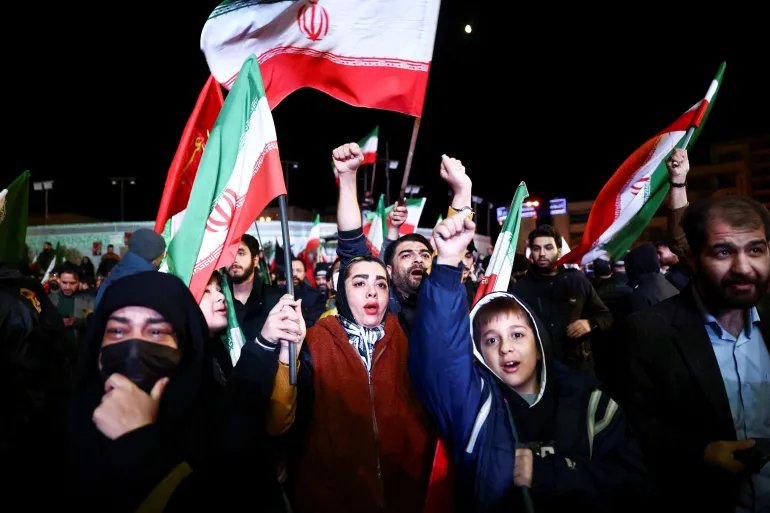
Key Conflict Zones Driving Ceasefire Talks
Several major conflict zones are at the center of current ceasefire discussions:
1. Eastern Europe Conflict
The ongoing war in Eastern Europe continues to be a focal point for international diplomacy. Despite multiple rounds of negotiations, a lasting ceasefire has remained elusive. However, recent backchannel talks suggest that both sides may be open to temporary pauses in fighting, particularly to allow humanitarian corridors.
2. Middle East Tensions
Escalating violence in the Middle East has triggered urgent calls for a ceasefire. Regional and global powers are working behind the scenes to broker agreements that could reduce hostilities. Temporary ceasefires have been proposed to facilitate prisoner exchanges and deliver humanitarian aid.
3. Other Regional Conflicts
Beyond these high-profile crises, smaller but equally devastating conflicts in parts of Africa and Asia are also witnessing renewed ceasefire efforts. These conflicts often receive less media attention but have severe humanitarian consequences.


The Role of Diplomacy and International Organizations
Diplomacy remains the cornerstone of ceasefire negotiations. High-level meetings, secret negotiations, and international summits are being held to bring opposing sides to the table.
Organizations like the United Nations play a crucial role in mediating discussions and monitoring compliance. Peacekeeping missions and special envoys are often deployed to facilitate dialogue and ensure that ceasefire agreements are respected.
However, achieving a ceasefire is rarely straightforward. Deep-rooted political, territorial, and ideological differences often complicate negotiations. Trust between conflicting parties is typically low, making it difficult to reach and maintain agreements.
Temporary vs. Permanent Ceasefires
Not all ceasefires are created equal. Many of the current discussions revolve around temporary ceasefires rather than permanent peace agreements.
Temporary ceasefires are often used to:
- Allow humanitarian aid delivery
- Facilitate evacuation of civilians
- Create space for further negotiations
While these short-term measures can save lives, they do not address the underlying causes of conflict. Permanent ceasefires, on the other hand, require comprehensive agreements that tackle political and territorial disputes.
Experts warn that without a clear roadmap toward long-term peace, temporary ceasefires may only provide brief relief before violence resumes.


Economic and Global Impact
The ripple effects of ongoing conflicts and ceasefire negotiations extend far beyond the regions directly involved. Global markets are highly sensitive to geopolitical instability, and any signs of escalation or de-escalation can significantly impact economies.
Energy prices, for example, often fluctuate based on developments in conflict zones. Supply chain disruptions can affect industries worldwide, leading to inflation and economic uncertainty.
A successful ceasefire could stabilize markets, boost investor confidence, and create opportunities for economic recovery. Conversely, the failure of negotiations could lead to further volatility.
Challenges to Achieving a Ceasefire
Despite widespread support, several challenges stand in the way of successful ceasefire agreements:
- Lack of Trust: Conflicting parties often doubt each other’s intentions, fearing that a ceasefire could be used to regroup and strengthen military positions.
- External Influences: Foreign involvement can complicate negotiations, as different countries may have competing interests.
- Internal Politics: Leaders may face pressure from domestic audiences, making concessions politically risky.
- Verification Issues: Ensuring compliance with ceasefire terms is difficult, particularly in active conflict zones.
These challenges highlight the complexity of achieving even a temporary halt in fighting, let alone a lasting peace.


The Humanitarian Perspective
At the heart of ceasefire discussions lies the humanitarian crisis. Millions of people are affected by ongoing conflicts, with many forced to flee their homes and live in precarious conditions.
Aid organizations emphasize that ceasefires are essential to delivering life-saving assistance. Hospitals, schools, and essential services often collapse during prolonged conflicts, leaving civilians vulnerable.
Children are among the most affected, with many missing out on education and facing long-term psychological trauma. A ceasefire could provide a much-needed opportunity to begin rebuilding lives and communities.
What Happens Next?
The coming weeks are likely to be critical in determining the trajectory of current ceasefire efforts. Diplomatic activity is expected to intensify, with more negotiations and potential agreements on the horizon.
Observers remain cautiously optimistic. While past attempts at ceasefires have often failed, the growing global demand for peace could create new momentum.
If successful, these ceasefires could pave the way for broader peace talks and long-term solutions. However, if negotiations break down, the consequences could be severe, with further escalation and humanitarian suffering.

Conclusion
Ceasefire discussions are at the forefront of global attention, reflecting a world eager for peace amid ongoing conflict. While significant challenges remain, the increased focus on diplomacy and humanitarian concerns offers a glimmer of hope.
For now, the world watches closely as leaders navigate the რთ path toward ceasefires and, ultimately, lasting peace. Whether these efforts will succeed remains uncertain, but one thing is clear: the demand for an end to violence has never been stronger.


Leave a Reply Cancel reply