

⚠️ Iran War Situation Overview
The ongoing Iran conflict in 2026 has rapidly intensified, involving Iran, the United States, and Israel in one of the most serious Middle East escalations in recent years. The war began after coordinated strikes and has since expanded into a wider regional crisis involving missile attacks, drone warfare, and retaliatory operations across multiple countries.
According to recent reports, the conflict continues to cause major instability in global security and energy markets.

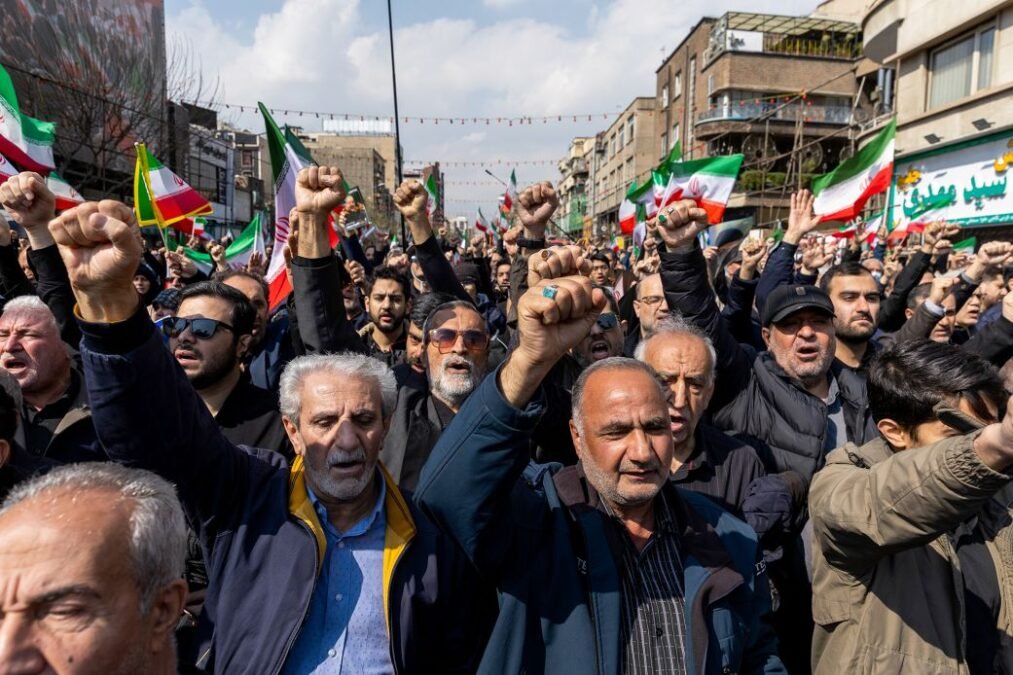
🚀 Key Developments in the Iran War
🔥 1. Military Strikes and Counterattacks
- U.S. and Israeli forces launched large-scale air and missile operations targeting Iranian military infrastructure.
- Iran responded with retaliatory missile and drone attacks across the Middle East.
- Several regional military bases and strategic sites have been affected by ongoing exchanges.
⚔️ 2. Leadership and Strategic Targets
Reports indicate high-level targeting of Iranian military and political infrastructure during the early phase of the conflict, leading to major disruptions in Iran’s command structure and escalating tensions further.


🌍 3. Regional Expansion of the Conflict
- Fighting has not remained limited to Iran and Israel.
- Clashes have involved allied forces and proxy groups across Lebanon, Iraq, Yemen, and the Gulf region.
- Missile and drone activity has increased near critical waterways like the Strait of Hormuz.
📉 4. Global Economic Impact
The Iran war is now affecting the global economy:
- Oil prices have increased due to supply uncertainty
- Shipping routes are being rerouted
- Inflation risks are rising in several countries due to energy disruption
Recent analysis shows inflation pressure could worsen globally if the conflict continues.


🌐 International Reaction
- Countries are calling for urgent peace negotiations and ceasefire talks.
- Some governments warn that the conflict could trigger a wider regional war.
- Diplomatic efforts continue, but military operations are still ongoing.
📌 What Happens Next?
Experts warn that the situation remains highly unstable. Possible outcomes include:
- Expansion of ground operations
- Increased missile exchanges
- International mediation attempts
- Risk of long-term regional conflict


🧠 Conclusion
The Iran war in 2026 is now a major global crisis affecting politics, energy markets, and international security. As tensions continue, the world is closely watching for signs of de-escalation or further escalation.


Leave a Reply Cancel reply