

A growing wave of scams targeting retirees has triggered urgent warnings from the Social Security Administration (SSA) and cybersecurity experts worldwide. As fraudsters become more sophisticated, millions of older adults—especially those relying on Social Security benefits—are increasingly at risk of losing their savings.
In 2026, authorities are sounding the alarm louder than ever: retirees must stay vigilant as scammers deploy new tactics designed to exploit fear, confusion, and trust.
🚨 A Surge in Social Security Scams
According to recent reports from the Federal Trade Commission (FTC), Social Security-related scams remain among the top fraud categories affecting older adults. Billions of dollars are lost annually, with retirees often being the primary targets.
Scammers typically impersonate officials from the SSA, contacting victims via phone calls, emails, or text messages. These messages often claim:
- Your Social Security number has been suspended
- Suspicious activity has been detected
- Immediate action is required to avoid arrest or benefit loss
These tactics are designed to create panic—pushing victims into making quick decisions without verifying the information.

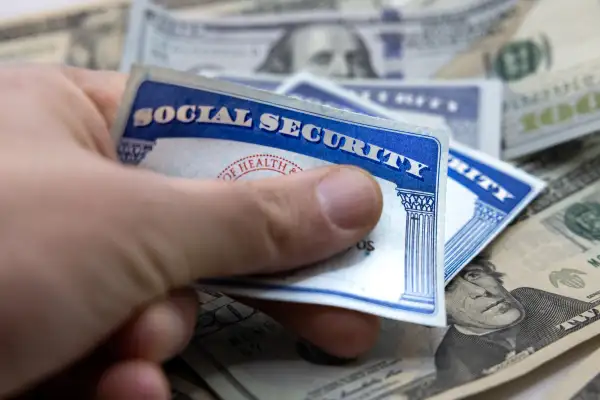
📞 Common Scam Techniques in 2026
Fraudsters are constantly evolving. Here are the most common Social Security scam tactics currently being reported:
1. Impersonation Calls
Scammers pose as SSA representatives, using spoofed phone numbers to appear legitimate. They may even provide fake badge numbers to gain trust.
2. Phishing Emails & Texts
Emails pretending to be from the SSA ask users to click on links and “verify” personal information. These links often lead to fake websites designed to steal sensitive data.
3. Threat-Based Scams
Victims are told their benefits will be suspended or that they face legal consequences unless they act immediately.
4. Payment Requests
Scammers demand payment via unusual methods such as gift cards, cryptocurrency, or wire transfers—red flags that indicate fraud.
👴 Why Retirees Are Prime Targets
Retirees are particularly vulnerable for several reasons:
- Fixed income: Losing even a small amount can have serious consequences
- Trust in institutions: Many older adults are more likely to believe official-sounding communication
- Less familiarity with digital threats: Not all retirees are comfortable identifying online scams
This makes awareness and education crucial in preventing financial loss.
🔒 Official Warning from Authorities
The SSA has issued repeated reminders that it will never:
- Threaten you with arrest or legal action
- Suspend your Social Security number over the phone
- Request payment via gift cards or cryptocurrency
- Ask for sensitive information through unsolicited calls or emails
If you receive such communication, it is almost certainly a scam.
🛑 Real-Life Impact: Millions Lost
Victims of Social Security scams have reported devastating financial losses. In many cases, retirees lose thousands—or even their entire life savings—before realizing they have been deceived.
The emotional toll is equally severe. Many victims experience embarrassment, anxiety, and a loss of trust in institutions, making recovery even more difficult.
🧠 How to Protect Yourself
Experts recommend several key steps to avoid falling victim:
✔️ Verify Before You Act
Always contact the SSA directly through official channels if you receive suspicious communication.
✔️ Never Share Personal Information
Do not provide your Social Security number, bank details, or passwords to unknown callers or websites.
✔️ Ignore Urgent Threats
Scammers rely on urgency. Take a moment to pause and verify claims independently.
✔️ Use Call Blocking Tools
Modern smartphones offer features to block spam and unknown numbers.
✔️ Educate Family Members
Sharing information with friends and family can help prevent others from becoming victims.
🌐 The Role of Technology in Scam Prevention
Technology companies and government agencies are working together to combat fraud. Artificial intelligence is increasingly being used to detect suspicious patterns, while telecom providers are enhancing spam call filtering systems.
However, scammers are also leveraging AI to create more convincing fake voices and messages—making it even harder to distinguish real from fake.
📢 What to Do If You’re Targeted
If you believe you’ve been contacted by a scammer:
- Do not engage or provide any information
- Hang up or delete the message immediately
- Report the incident to the Federal Trade Commission
- Notify the Social Security Administration
Quick reporting can help authorities track and shut down scam operations.
🔍 A Global Concern
While the SSA is a U.S.-based agency, similar scams are emerging globally. Retirees in countries around the world—including regions like Africa, Europe, and Asia—are facing comparable threats involving pension systems and government benefits.
Cybercrime has no borders, and international cooperation is becoming increasingly important in tackling these schemes.
📈 Final Thoughts
The rise in Social Security scams is a stark reminder of how vulnerable retirees can be in today’s digital age. As fraud tactics become more advanced, awareness remains the strongest defense.
Retirees—and their families—must stay informed, question suspicious messages, and rely only on verified sources of information. By taking proactive steps, individuals can protect their finances and avoid becoming the next victim.


Leave a Reply Cancel reply