

A major legal and political battle is unfolding in Washington after Richard J. Leon, a senior federal judge, issued a high-profile ruling that sharply limits how far national security can be used to justify government construction projects. The decision, tied to a controversial White House ballroom plan backed by Donald Trump, is already sending shockwaves through legal circles, political debates, and national security discussions.
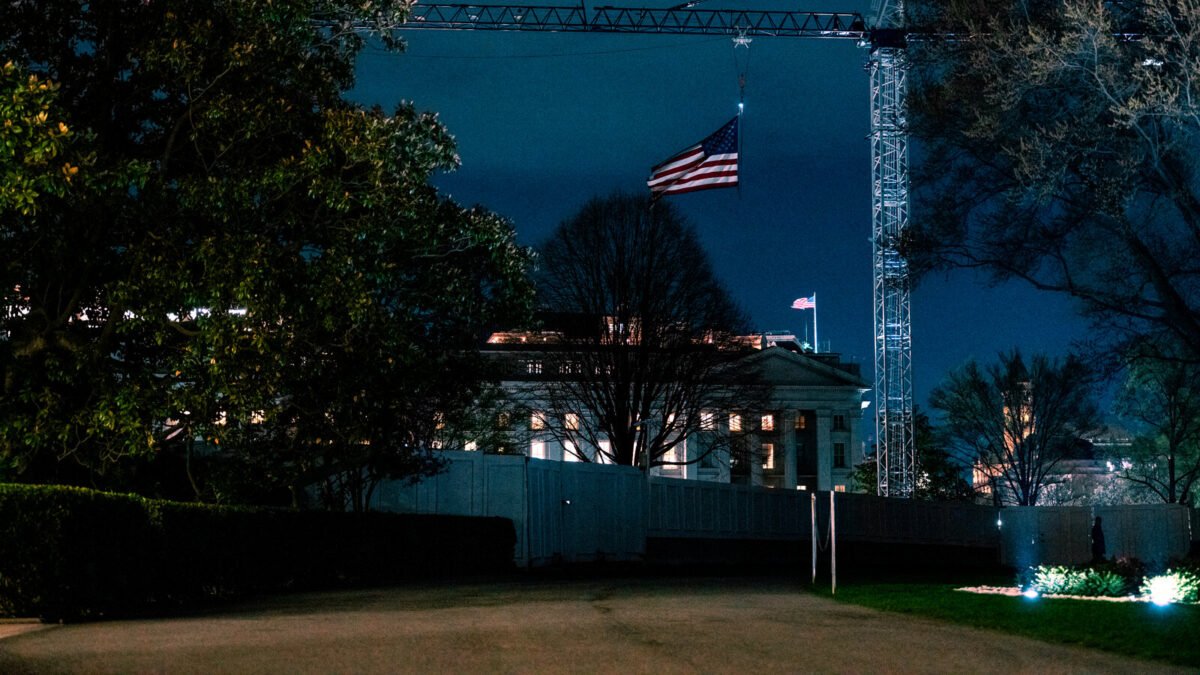
At the heart of the dispute is a $400 million construction project that includes both above-ground and underground elements at the White House. While the administration argued that the project is critical for national security, Judge Leon’s ruling draws a firm line: national security cannot be used as a blanket justification for bypassing the law.
What the Judge Actually Ruled
Judge Leon’s latest order allows limited construction to continue, but only under strict conditions. Specifically, he ruled that:
- Below-ground construction tied directly to national security—such as bunkers or emergency facilities—can proceed.
- Above-ground construction, including the large ballroom structure, must be halted unless proper authorization is obtained.
The judge made it clear that the administration’s interpretation of his earlier ruling was flawed. He criticized officials for suggesting that the entire project could continue under a “security exception,” calling that argument unreasonable.
In one of the most striking lines from the decision, Leon emphasized that “national security is not a blank check” for unlawful actions.

Why National Security Became the Key Issue
The Trump administration has argued that the ballroom project includes critical security upgrades, such as:
- Bulletproof glass
- Drone-resistant roofing
- Missile-resistant structures
- Underground bunkers and emergency facilities
Officials claimed these features are essential to protect the president, staff, and visitors from modern threats.
However, Judge Leon rejected the idea that these upgrades justify immediate construction of the entire project. He pointed out that the government failed to prove why these features must be installed urgently or why they cannot be separated from the rest of the project.
This distinction became central to the ruling: security-related elements may proceed—but luxury or non-essential construction cannot be disguised as national defense.


A Legal Battle Over Presidential Power
Beyond construction, the case raises deeper constitutional questions about presidential authority.
Judge Leon previously ruled that the president likely does not have unilateral authority to carry out such a large structural change to the White House without approval from Congress.
This latest decision reinforces that stance. It suggests that:
- The executive branch cannot bypass legislative oversight
- National security claims must be backed by clear, immediate necessity
- Courts will intervene when legal boundaries are stretched
Legal experts say this could become a landmark case defining the limits of executive power in the name of security.
Trump’s Reaction and Political Fallout
Unsurprisingly, Donald Trump responded strongly to the ruling.
He criticized Judge Leon publicly, accusing him of undermining national security and delaying what he described as an essential project. The former president insisted that the ballroom and its security features are vital for protecting the White House and hosting global leaders.
The administration has already filed an appeal, and there are indications that the case could eventually reach the Supreme Court.
This sets the stage for a prolonged legal fight that could have major political consequences, especially as national security remains a key issue in public debate.


Role of Preservation Groups
Another important player in this case is the National Trust for Historic Preservation, the group that filed the lawsuit to stop the project.
The organization argues that:
- The ballroom is not a national security necessity
- The project threatens the historical integrity of the White House
- The administration overstated security risks to justify construction
Their legal challenge has been central in forcing the courts to examine the true purpose of the project.
Judge Leon’s ruling largely aligns with their position, at least for now.
Appeals Court and What Happens Next
The case has already moved through multiple legal stages.
A federal appeals court recently asked Judge Leon to clarify whether halting construction would pose a genuine security risk.
In response, Leon issued this updated ruling, carefully balancing:
- The need for security-related construction
- The requirement to follow legal procedures
For now, the administration has a short window to continue limited underground work. But any further development—especially above ground—faces strict legal barriers.
The next steps could include:
- A ruling from the appeals court
- A potential Supreme Court review
- Congressional involvement if authorization is sought


Why This Ruling Matters
This case is about more than just a building project. It highlights a growing tension between national security claims and legal accountability.
Key takeaways include:
1. Limits on National Security Justifications
Courts are signaling that security concerns must be specific and immediate—not vague or long-term.
2. Reinforcement of Checks and Balances
The ruling underscores the role of the judiciary in checking executive actions.
3. Precedent for Future Cases
This decision could influence how future administrations use national security arguments in legal disputes.
Broader Impact on U.S. Politics
The timing of this ruling makes it even more significant.
With national security often used as a central political argument, this case could shape how voters and lawmakers view similar claims in the future.
It also raises important questions:
- How far can a president go in the name of security?
- Who decides what qualifies as a national security emergency?
- Should courts have the final say?
These issues are likely to remain in the spotlight as the case continues.
Final Thoughts
Judge Leon’s ruling represents a critical moment in the ongoing debate over national security and executive power.
By allowing only limited construction while blocking broader plans, the court has drawn a clear boundary: security concerns must be real, immediate, and legally justified—not used as a catch-all excuse.
As appeals move forward and political tensions rise, this case could become one of the most important legal battles of the year—one that defines how far national security can go in shaping government action.


Leave a Reply Cancel reply