

Gas prices remain one of the biggest concerns for millions of drivers across the United States. Every day Americans depend on fuel to travel to work transport goods and manage daily activities. Because of this, even small changes in gas prices can have a major impact on household budgets and businesses. In 2026 gas prices continue to fluctuate due to several important factors, including global oil supply political tensions inflation refinery production, and consumer demand.

Over the last few years fuel prices have experienced dramatic changes. Some months have seen lower prices that helped drivers save money while other periods have caused financial stress because of sudden increases at gas stations. Experts say that the gas market is influenced by both domestic and international events making prices difficult to predict.
One of the biggest reasons for changing gas prices is the cost of crude oil. Crude oil is the main ingredient used to produce gasoline. When oil prices rise on the global market gas prices in the United States usually increase as well. Countries that produce large amounts of oil especially members of OPEC often influence the global supply. If oil production decreases, prices tend to rise because supply becomes limited.

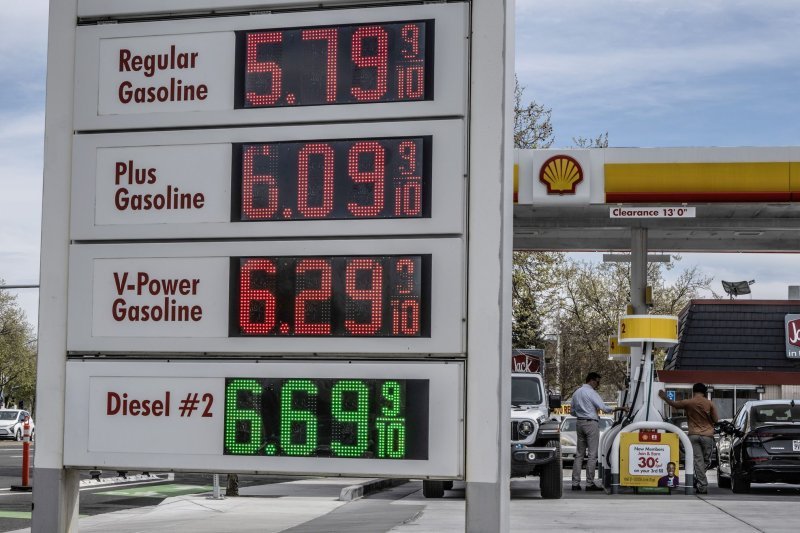
Another factor affecting gas prices is political instability around the world. Conflicts in oil-producing regions can interrupt supply chains and create uncertainty in the market. Investors often react quickly to international events, causing oil prices to move higher within a short period. As a result American drivers may notice sudden increases in fuel costs.
Inflation also plays a major role in the price of gasoline. Transportation, refining, and labor costs have increased in recent years. Gas stations and fuel companies must cover these expenses, which can lead to higher prices for consumers. In addition, the overall cost of living has gone up, putting more pressure on families already struggling with expenses.


Seasonal demand is another important factor. Gas prices often rise during the summer months because more people travel for vacations and holidays. Higher demand means gas stations need more fuel supplies, which can increase prices. Winter weather can also impact refinery operations and transportation routes sometimes causing temporary shortages.
Refineries are essential to the fuel supply chain. These facilities convert crude oil into gasoline and other petroleum products. If a refinery shuts down because of maintenance issues storms or technical problems gasoline supply can decrease. This often leads to higher prices in nearby regions.


In some states gas prices are significantly higher than in others. California for example usually has some of the highest gas prices in the country. This is partly because of stricter environmental regulations and higher fuel taxes. Meanwhile states closer to oil production areas may experience lower prices.
Many Americans are now looking for ways to reduce fuel costs. Some drivers are switching to smaller vehicles with better fuel efficiency. Others are choosing hybrid or electric vehicles to avoid spending large amounts on gasoline. Carpooling and using public transportation have also become more popular in major cities.
The growth of electric vehicles is slowly changing the American automotive industry. Major car manufacturers continue investing in electric technology as consumers search for alternatives to gas-powered cars. While gasoline remains important today experts believe electric vehicles could reduce fuel demand in the future.

However, gasoline is still critical for transportation and commerce in the United States. Trucks that deliver food, products, and materials across the country rely heavily on fuel. Airlines and shipping companies also depend on oil-based products meaning the energy sector will remain a key part of the economy for years to come.
Government policies can influence gas prices as well. Leaders may release oil from strategic reserves during supply shortages to stabilize prices. Environmental regulations and energy policies can also affect refinery operations and fuel production costs.
Experts predict that gas prices may continue fluctuating throughout 2026. Some analysts believe prices could decrease if oil production increases globally. Others warn that geopolitical tensions and inflation could push prices even higher.
Consumers are paying closer attention to energy news than ever before. Mobile apps and online platforms now allow drivers to compare local gas prices and find cheaper stations nearby. This helps families save money during periods of high fuel costs.

Businesses are also adapting to changing fuel prices. Delivery companies are optimizing routes to reduce fuel usage, while some organizations are investing in electric fleets to lower long-term operating costs.
Energy experts believe the future of the gas market will depend on a balance between traditional fuel demand and the transition toward renewable energy. Solar power wind energy, and electric transportation are growing rapidly, but gasoline remains deeply connected to the U.S. economy.
Despite ongoing challenges Americans continue searching for practical solutions to manage transportation costs. Whether through fuel-efficient cars alternative energy or smarter travel habits consumers are adapting to an unpredictable gas market.
As the year progresses, gas prices will likely remain a major topic across the country. Drivers businesses and policymakers will continue monitoring the market closely in hopes of finding stability. For now understanding the factors behind fuel prices can help Americans make smarter financial decisions and prepare for future changes in the energy industry.


Leave a Reply Cancel reply